

Kep is worth adding to a Cambodia itinerary if you want a quiet coastal break centred on seafood, short nature walks, low-key beach time, and a slower pace than nearby Kampot. It is not a large resort town, nor does it offer the wide sandy beaches or nightlife of Cambodia’s islands. Instead, Kep works best for one or two relaxed nights, particularly when combined with Kampot.
The main things to do in Kep are visiting the Crab Market, eating fresh seafood with Kampot pepper, walking or cycling in Kep National Park, spending time at Kep Beach, and taking a local boat to Koh Tonsay (Rabbit Island). The town is spread out, so choosing the right area to stay and arranging local transport makes a noticeable difference to your visit.
What is Kep like?
Kep sits on Cambodia’s southern coast, close to Kampot. Once known as Kep-sur-Mer, it was a fashionable seaside retreat in the mid-20th century, and the remains of old villas can still be seen around the town and hillsides.
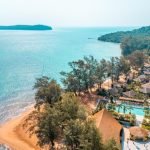
Today, Kep feels more residential and relaxed than Kampot. Its appeal is simple: sea views, a compact public beach, excellent crab, green hills behind the coast, and easy access to a small offshore island. Come here for downtime rather than a packed sightseeing programme.
The Cambodian Ministry of Tourism’s Kep guide highlights the province’s seafood, beaches, pepper, salt, and Koh Tonsay as defining attractions. In practical terms, that is a good summary of what Kep does best.
Best things to do in Kep
Eat at Kep Crab Market
Kep Crab Market is the town’s essential food stop. It is best known for fresh crab cooked with Kampot pepper, one of southern Cambodia’s signature dishes. You will find seafood restaurants beside the market, as well as stalls selling crab, squid, prawns, fish, and other local produce.
Go for lunch if you want the market at its liveliest, or arrive later in the afternoon for a meal before sunset. If you are choosing seafood by weight, confirm the price, preparation, and any side dishes before ordering. Crab prices can vary with supply and season.
Even travellers who do not eat seafood will find Cambodian dishes, grilled options, and simple cafés nearby, but Kep is particularly rewarding for seafood lovers.
Spend time at Kep Beach
Kep Beach is a small public beach near the centre of the coastal strip. It is suitable for a swim when sea conditions are calm, and it is convenient for a few hours of shade, a drink, or a stroll along the waterfront.
Manage expectations if you are arriving after time on Koh Rong or Koh Rong Samloem: Kep’s beach is a town beach, not a long, remote island shoreline. It is best treated as part of a relaxed Kep day rather than the sole reason to visit.
Walk, cycle, or ride through Kep National Park
Kep National Park rises directly behind the town and gives Kep much of its character. The park has hill roads and trails through forest, with viewpoints over the coast, countryside, and islands. An approximately 8-kilometre circuit is commonly used for walking or cycling, although there are shorter options from different access points.
Start early in the day or later in the afternoon, carry more water than you think you will need, and wear proper footwear. The heat can be intense, especially from March to May, and trail conditions can change after heavy rain. Do not rely on finding regular food, water, or transport once you are inside the park.
The park is a good choice for travellers who want a gentle outdoor activity without committing to a full-day excursion. It is also one of the clearest reasons to stay on the hillside rather than directly beside the beach.
Take a trip to Koh Tonsay (Rabbit Island)
Koh Tonsay, often called Rabbit Island, is the most popular day trip from Kep. It is a quiet, lightly developed island with simple beach accommodation and basic places to eat. It suits travellers looking for an unhurried beach day rather than polished resort facilities.
Boat trips are usually arranged locally from Kep, through accommodation providers, or at the departure point. Departure times, weather conditions, boat capacity, and return arrangements can vary, so confirm these directly the day before you travel. If you plan to stay overnight, ask specifically about power, Wi-Fi, drinking water, meals, luggage transfers, and the latest return boat.
Rabbit Island is not a substitute for a stay on Koh Rong or Koh Rong Samloem, but it is a worthwhile short escape if you are already in Kep and want a quieter, more rustic island experience.
Explore the coast and countryside by tuk-tuk or driver
Kep is better explored by tuk-tuk, hired driver, bicycle, or scooter than entirely on foot. A half-day outing can combine the Crab Market, Kep Beach, the hillside roads around the national park, old villas, and coastal viewpoints.
If you have more time, ask about a countryside route towards Kampot’s pepper farms and salt fields. These are often easier to visit from Kampot, but they can fit naturally into a transfer day between the two towns. For more ideas in the surrounding area, see our guide to things to do in Kampot.
Where to stay in Kep
Accommodation in Kep is spread across a few distinct areas. Pick your base according to how you expect to spend your time, rather than simply booking the cheapest available room.
| Area | Best for | What to expect |
|---|---|---|
| Kep Beach area | Short stays, swimming, and easy waterfront access | Convenient for the beach and central coastal road |
| Crab Market area | Seafood lovers and sunset dining | Restaurants nearby, but transport is still useful for the beach and park |
| Hillside and national park edge | Quiet stays, views, nature, and pool time | More secluded; a tuk-tuk, scooter, or driver is particularly useful |
| Koh Tonsay | A rustic overnight island break | Simple facilities and limited services; confirm arrangements before crossing |
For a first visit, staying near Kep Beach or between the beach and Crab Market is the easiest option if you do not have your own transport. Choose the hillside if peace, views, and access to Kep National Park matter more than being able to walk to dinner.
Kep has a mix of guesthouses, boutique-style stays, villas, and higher-end resorts. Book ahead for weekends, Cambodian public holidays, and the drier peak travel period, particularly if you want a property with a pool or sea view.
How long should you spend in Kep?
One night is enough for a quick introduction: arrive from Kampot or Phnom Penh, visit the Crab Market, stay overnight, and fit in the beach or national park the following morning.
Two nights is the better choice for most travellers. It gives you time for a seafood meal, a relaxed beach afternoon, a national park walk, and a Rabbit Island day trip without rushing.
Stay longer only if you specifically want quiet accommodation, slow days by a pool, regular walks, or a few nights on Koh Tonsay. Travellers looking for more cafés, riverfront dining, tours, and evening atmosphere will usually prefer to give extra time to Kampot.
Kep vs Kampot: which should you choose?
Kep and Kampot are close enough to combine, but they offer different experiences.
| If you want… | Choose… |
|---|---|
| Seafood, a beach, national park walks, and a quiet coastal stay | Kep |
| More restaurants, cafés, river views, tours, and evening options | Kampot |
| A relaxed southern Cambodia itinerary | Stay in both: usually more time in Kampot, with one or two nights in Kep |
Kampot is generally the more practical base for travellers who like choice and activity. Kep is the better place to slow down. If your itinerary allows, do not treat them as interchangeable: Kampot provides the town-and-river experience, while Kep adds seafood, coast, and a more secluded atmosphere.
Getting to Kep
Scheduled road transport and private transfers operate between Phnom Penh and Kep. The journey often takes around four to five hours, depending on traffic, stops, and the service used. Check the latest timetable, pickup point, luggage policy, and availability directly with your chosen operator before booking.
Many travellers reach Kep from Kampot, which is the simplest pairing. The transfer is relatively short, and can be done by local bus, shared minivan, tuk-tuk, or private car, depending on the day and your budget. Our Phnom Penh to Kampot guide is useful if you are planning this route from the capital.
From Sihanoukville, it is often sensible to plan around Kampot before continuing to Kep, especially if you are travelling after a stay on the islands. Allow flexibility rather than relying on a tight same-day connection; see our guide to travelling from Sihanoukville to Kampot for the main options.
When to visit Kep
Kep can be visited year-round, but the dry season is usually the easiest time for beach days, walks, and boat trips. Cambodia’s cooler dry period generally runs from November to February, while March to May becomes much hotter. The wet season brings greener scenery and fewer visitors, but coastal rain, rougher water, and changing boat plans are more likely.
For Rabbit Island or any boat activity, check the short-term weather forecast and confirm departures locally. Do not assume that a boat trip will run simply because it is listed online.
The key point: is Kep worth visiting?
Yes, Kep is worth visiting if you want a calm, food-focused coastal stop rather than a busy beach destination. Give it two nights if possible, stay near the beach or Crab Market for convenience, and plan one active half-day in Kep National Park or on Rabbit Island.
For most Cambodia itineraries, Kep is at its best combined with Kampot: use Kampot for variety and riverfront life, then come to Kep for crab, coast, and a slower finish before continuing onwards. It can fit particularly well into a two-week Cambodia itinerary that includes the south coast and islands.
Comments